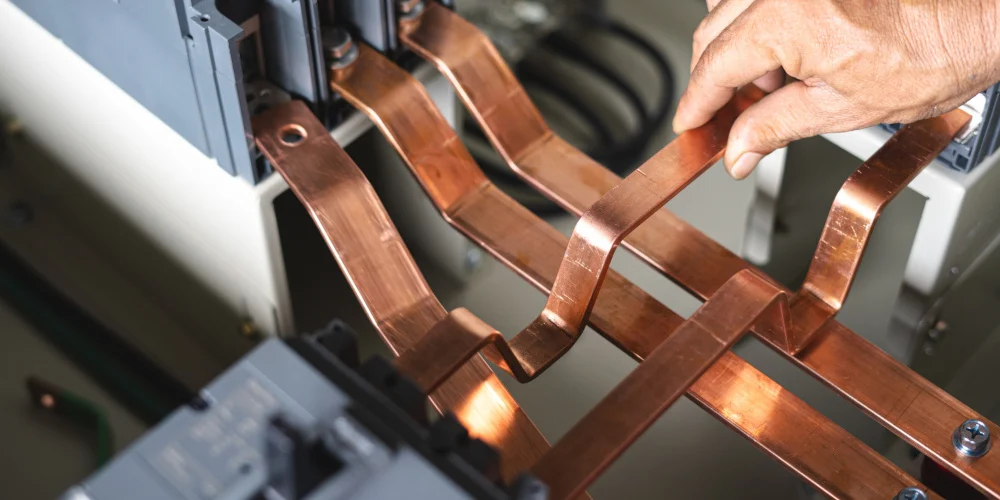
In high-demand industrial settings, reliable machinery defines productivity and output. Precision-driven systems enhance quality, efficiency, and endurance across extensive manufacturing cycles. Long-term performance comes from engineering consistency paired with smart mechanical design. Among these innovations, the Busbar processing machine stands out as a cornerstone of dependable and scalable production performance.
Engineering Strength For Heavy Loads
High-capacity busbar systems are purpose-built to handle demanding electrical and mechanical requirements. Their frames resist deformation under continuous operation, ensuring that every component performs with minimal wear. Consistent structural reinforcement helps the system deliver powerful, vibration-free output even during prolonged usage.
Design Innovations Enhancing Performance
Design improvements have elevated these machines beyond conventional models. Streamlined circuits, reinforced feeding units, and automated punching modules ensure exact positioning of conductive materials. Every new model refines efficiency, reducing heat buildup and boosting continuous motion reliability across production shifts.
Advanced Control Systems Integration
Automation software synchronizes cutting, bending, and punching functions with precise logic commands. Sensors measure torque variation and energy flow, ensuring that tolerances remain within micro-level limits. Integrated safety layers protect both the operator and the machinery during intense, repetitive sequences.
Precision And Alignment Achievements
Maintaining perfect alignment across busbar sections requires attention to torque balance and feed regulation. Mechanical calibration allows repeatable cuts and bends without re-adjustment, maintaining identical results through extended runs. When managed through a Busbar processing machine, uniformity and output stability become measurable assets across multiple production phases.
Performance Factors Users Often Discuss
Many technicians mention durability, while others focus on output consistency. Both observations come down to the machine’s capacity to sustain power under heavy cycles.
A high-performance setup supports flawless energy transfer without risking mechanical fatigue. The build quality, sensor feedback, and cooling pathways all combine to create a machine that endures. Even after long hours of operation, calibration rarely drifts. That reliability creates genuine trust among production teams who handle tight schedules.
Maintenance Practices Maximizing Output
Routine checks and steady lubrication schedules keep systems in peak shape. Operators often prioritize inspecting motor bearings and hydraulic connectors before extended sessions. Predictive maintenance tools now alert teams to subtle load imbalances before downtime occurs, further preserving stable throughput.
Sustained Stability Through Continuous Use
Machines designed for industrial longevity depend on balanced structural composition and component harmony. The consistent interaction between the feeding line and control interface reduces stress accumulation. Long-term stability emerges not from luck but from deliberate, precision-driven construction and disciplined operational rhythm.